How to Write a Two-Minute Micro Drama: Hooks, Emotion and Payoff
Write a two-minute micro drama around one recognisable character, one immediate problem, and one emotional change. Establish curiosity early, build through.
By My Logline Editorial
Write a two-minute micro drama around one recognisable character, one immediate problem, and one emotional change. Establish curiosity early, build through behaviour and natural dialogue, then deliver a reveal or payoff. For a continuing series, leave a meaningful unresolved question while giving each episode its own dramatic movement.
Key takeaways
-
Focus on one emotional situation per episode.
-
Use pauses, reactions, and everyday language.
-
Connect the hook to an earned payoff or continuing question.
-
people binge reel series,
-
emotionally connect with characters,
-
wait for next episodes,
-
share relatable scenes,
-
tag their friends and partners.
And honestly? Some micro dramas today create more emotional impact than full-length films. Click here to watch these: https://www.instagram.com/reel/DOQoH_hE86I/
What Makes a Good Micro Drama Work?
Simple.
How does relatability create an emotional connection?
That’s the biggest secret. People should feel:
- “This happened with me.”
- “I know someone like this.”
- “This feels real.”
- “This conversation feels natural.”
That emotional familiarity creates engagement. And most successful micro dramas understand this deeply.
How can relationship stories create relatable conflict?
Because relationships are universally relatable. Almost everyone has experienced:
- love,
- confusion,
- rejection,
- texting anxiety,
- situationships,
- misunderstandings,
- late-night conversations,
- jealousy,
- breakup pain,
- silent feelings.
These emotions naturally create audience connection. That’s why many successful micro dramas revolve around:
- modern relationships,
- dating,
- friendships,
- emotional tension,
- cute conflicts,
- unspoken feelings.
People don’t watch these stories for “plot.” They watch them for emotional relatability.
What makes a micro drama feel overcrowded?
Many beginners try to write:
- complicated stories,
- too many characters,
- heavy twists,
- long setups.
Wrong approach. Micro dramas work best when:
- the situation is simple,
- the emotion is strong,
- the conflict is relatable.
That’s it. One good emotional moment is enough.
How do you choose one emotional moment?
This is important. Don’t think: “I’m writing a film.” Think: “I’m capturing one emotional moment.” For example:
- A girl unsending a message after typing for 10 minutes.
- A boy waiting for “typing…” to appear again.
- Two exes accidentally meeting in a lift.
- A girl pretending to be okay after seeing her ex happy.
- A late-night cab conversation between strangers.
- A boy checking her last seen repeatedly.
These are not “big plots.” But emotionally? Very relatable. That’s why they work. Watch These: Click here: https://www.instagram.com/reel/DHV8fbsy4fK/
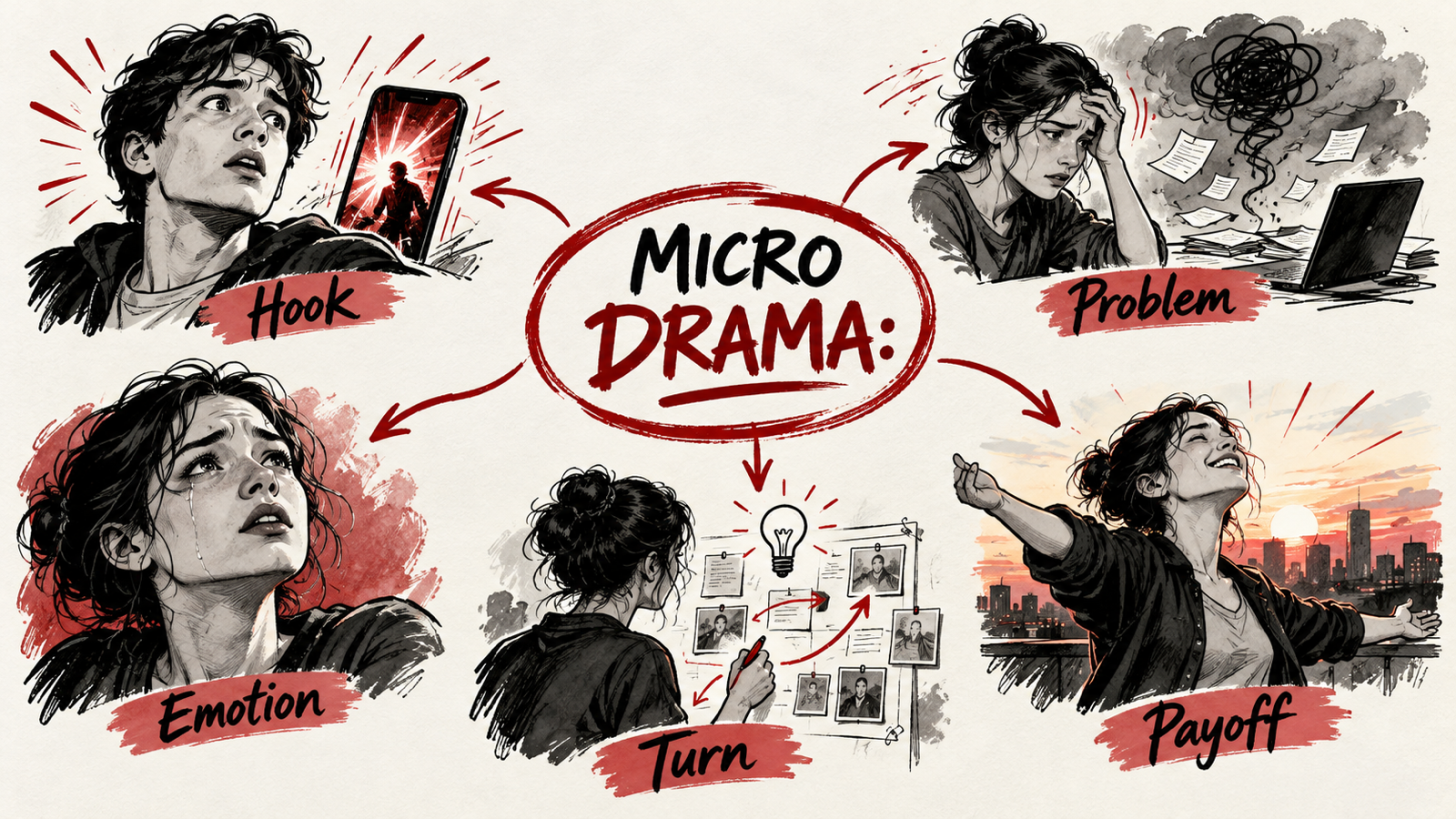
How can seven beats shape a micro drama?
Let’s simplify the structure.
What should you know about character?
Give audiences someone relatable immediately. Usually:
- awkward boy,
- emotionally confused girl,
- introvert,
- overthinker,
- hopeless romantic,
- silent lover,
- toxic ex,
- caring best friend.
Keep characters simple and recognizable quickly. Because reels move fast.
What should you know about problem?
Introduce emotional tension immediately. Examples:
- breakup,
- misunderstanding,
- ignored text,
- one-sided love,
- jealousy,
- emotional distance,
- family pressure,
- friendship turning into love.
Conflict should appear within first few seconds.
What should you know about hook?
A short episode still needs a clear desire and an obstacle. Apply the opening, conflict, and stakes principles in How to Improve Film Storytelling: 15 Practical Techniques to make viewers care before introducing a twist.
This is the most important part. The opening line should stop scrolling. Examples:
- “She blocked me after this conversation.”
- “He called me after 2 years.”
- “Every night she waits for one text.”
- “They broke up because of one lie.”
- “This lift ride changed their relationship.”
Hooks create curiosity instantly.
What should you know about emotional Build-Up?
Now slowly increase emotional tension. Don’t rush. Use:
- pauses,
- expressions,
- silence,
- natural dialogues,
- eye contact,
- hesitation.
Micro dramas feel real when emotions feel subtle. Not overly dramatic.
What should you know about emotional Twist?
Near the ending, give:
- realization,
- emotional reveal,
- misunderstanding,
- painful truth,
- cute payoff,
- heartbreaking line.
This creates audience impact.
What should you know about cliffhanger?
If it’s a series… End with suspense. Make audiences comment:
- “Part 2 please.”
- “What happened next?”
- “Did they patch up?”
- “Who called him?”
Curiosity creates retention.
What should you know about payoff?
Eventually, emotional payoff matters. Maybe:
- reunion,
- heartbreak,
- confession,
- acceptance,
- healing.
Audiences stay for emotional closure.
How do you write natural micro-drama dialogue?
Micro dramas survive on dialogues. Not lengthy speeches. Simple conversational lines. Natural language works best. For example: Instead of: “I have emotionally suffered because of your absence.” Write: “You stopped texting suddenly… that hurt more.” Simple always wins.
How can silence and reactions carry the scene?
Plan what the audience will see during that silence. The close-ups, reaction shots, and inserts in 50 Camera Shots, Movements and Editing Techniques Explained offer ways to show hesitation or hurt without adding another line of dialogue.
Don’t make characters talk continuously. Sometimes:
- pauses,
- eye contact,
- typing and deleting,
- unread messages,
- silence after a question
create stronger emotions than dialogues. Micro drama audiences notice emotional details.
How do you keep a two-minute episode focused?
1–2 minute stories work because they are emotionally sharp. Don’t add:
- unnecessary side plots,
- random comedy,
- too many locations,
- too many characters.
Focus on one emotion per episode. That clarity improves engagement.
How can local details make a story specific?
Because local familiarity increases connection. When audiences hear:
- local slang,
- familiar locations,
- relatable lifestyles,
- realistic situations…
they emotionally connect faster. That’s why grounded storytelling feels authentic. Click here to check the reel: https://www.instagram.com/reel/DJLhkh6Jw-6/
How can music support the emotion?
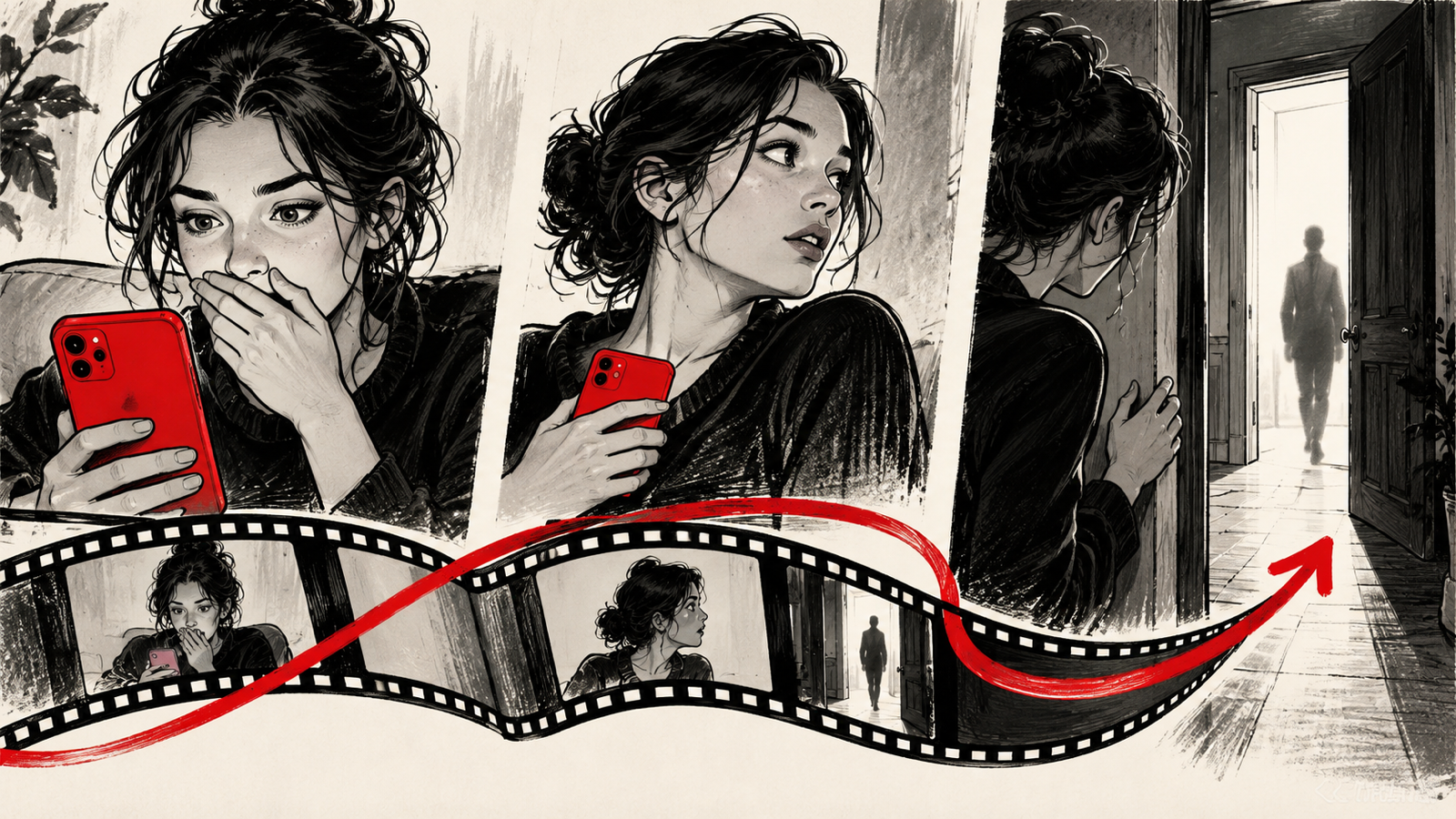
Music is emotional glue in micro dramas. A simple emotional background score can completely elevate:
- longing,
- romance,
- sadness,
- nostalgia.
Sometimes music itself becomes the memory of the series.
What should you observe before writing dialogue?
For a series about parents, siblings, or life at home, use How to Write a Family Drama: Conflict, Subtext and Emotional Payoff to connect those observed conversations to deeper wants and fears. Everyday dialogue becomes more engaging when a relationship is under pressure.
This is the secret. Don’t write “movie dialogues.” Write human conversations. Observe:
- WhatsApp chats,
- awkward pauses,
- dating confusion,
- overthinking patterns,
- modern relationships,
- emotional insecurities.
Real observation creates relatable writing.
What experience can a micro drama offer?
Because attention spans are changing. People want:
- quick emotions,
- relatable moments,
- binge-worthy stories,
- emotional comfort,
- easy consumption.
Micro dramas fit perfectly into this behavior. And honestly? Many filmmakers today are building audiences first through short-form storytelling.
What should you prepare next?
Don’t try to make every micro drama “cinematic masterpiece.” Focus on:
- emotional honesty,
- relatable moments,
- strong hooks,
- simple writing,
- emotional payoff.
That’s enough. Because at the end of the day… people don’t share micro dramas because of camera quality. They share them because: “this felt personal.” And once audiences emotionally see themselves inside your story… they keep coming back for the next episode.
Frequently asked questions
How many characters should a short micro drama have?
Use the smallest cast that can express the conflict clearly. Two characters often provide enough relationship pressure, but the situation should determine the number rather than a fixed rule.
Does every episode need a shocking twist?
No. A decision, realisation, confession, or change in a relationship can provide the turn. The ending needs meaning for the characters, not simply surprise.
Summary
Focus on one emotional situation per episode. Use pauses, reactions, and everyday language. Connect the hook to an earned payoff or continuing question.
Use My Logline to write your film.