How to Write a Family Drama: Conflict, Subtext and Emotional Payoff
Build a family drama around an emotional question and conflicting wants within the household. Map each person’s fears and expectations, place the family.
By My Logline Editorial
Build a family drama around an emotional question and conflicting wants within the household. Map each person’s fears and expectations, place the family under pressure, and develop clashes, separation, recognition, and a chosen ending. Subtext and recurring objects can express feelings the characters struggle to state directly.
Key takeaways
- Give family members understandable but conflicting desires.
- Use a shared setting to intensify relationship pressure.
- Earn emotional resolution through changed understanding or behaviour.
What should you know about cORE QUESTION (The Heart of the Story)?
Every family drama starts with one core emotional question. Examples:
- What does it take to earn respect at home?
- Can love survive ego within a family?
- What is more important — dreams or family expectations?
Write yours: "This story is about ______________________ vs ______________________."
What should you know about fAMILY STRUCTURE (Characters Map)?
Draw the emotional web, not just people.
| Character | Role | Their WANT | Their FEAR | Their Secret |
|---|---|---|---|---|
| Protagonist | e.g., Son | |||
| Opposition | e.g., Father / Mother / Uncle | |||
| Emotional Mirror | Sibling / Cousin | |||
| Catalyst | Friend / Neighbor / Newcomer |
Example:
- Son wants independence but fears failure.
Bommarillu
- Father wants obedience but fears losing respect.
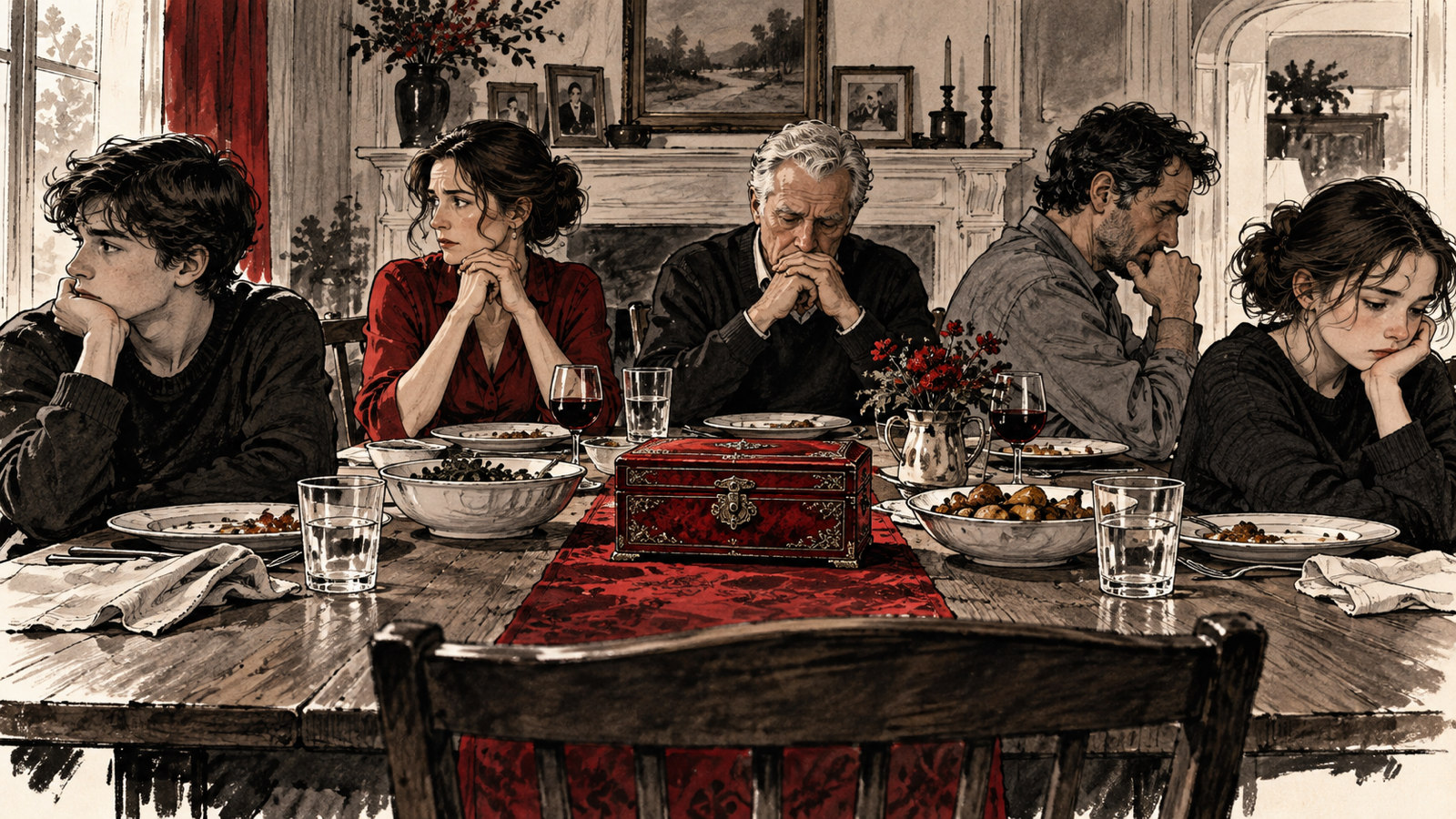
Aadavari Matalaku Arthale Verule This clash = conflict.
How do you use setting of pressure?
Put the family under one roof during emotional tension. Examples:
- Festival at home
- Wedding prep
- Funeral house
- Hospital waiting area
Aa Movie- This scene happens at a function.
Son of Sathyamurthy; Pick a setting that forces them to stay together.
How do you use the conflict triangle?
One useful family-drama model has 3 sides of conflict: PROTAGONIST (Dreams / Wishes) vs FAMILY (Tradition / Expectations) vs SOCIETY (What will people say) If you want instant emotional weight, show Society Pressure.
Siddhu from Bommarillu faces all 3, He has is dreams to build his own company, family wants him to be in their path, what will society think of cancelling the engagement and marrying someone else.
What should you know about kEY BEATS (Scene Progression)?
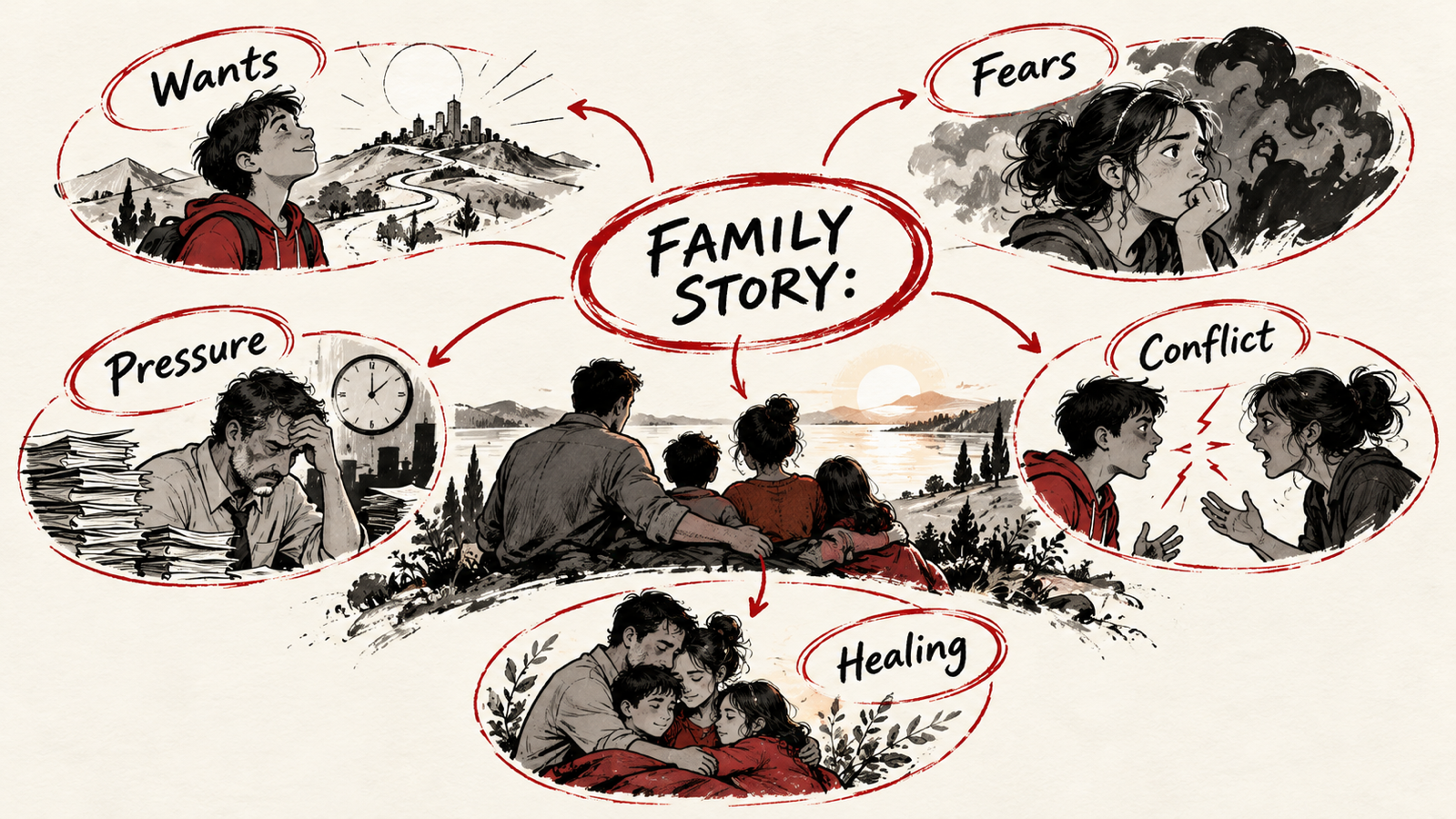
To expand these relationship beats into a full feature, use How to Turn a Story Idea into a Complete Movie Outline. Let each turning point put fresh pressure on the family’s central emotional question.
| Beat | What Happens | Emotional Purpose |
|---|---|---|
| 1. Setup | Introduce family dynamics | Show love & cracks together |
| 2. First Clash | Small argument hints deeper tension | Audience understands the TRUE conflict |
| 3. Memory Scene | Flashback or old photo triggers warmth | Show they once loved each other |
| 4. Major Conflict | Big fight or revelation | Peak emotional break |
| 5. Separation | Someone leaves / packs bags / silence | Let the pain breathe |
| 6. Realization | They understand each other’s wounds | The characters recognise the pressures behind the conflict |
| 7. Reconciliation | Hug / words / gesture | Payoff |
IMPORTANT: The reconciliation should not solve everything — but soften the relationship. That makes it real.
How do you use dialogue tone?
The subtext and conflict principles in How to Improve Film Storytelling: 15 Practical Techniques are especially useful here. Let a character argue about dinner, money, or a journey while the deeper need for respect or affection remains underneath the words.
Family drama dialogues are:
- Emotional but casual
- Spoken with ego but love beneath
- Indirect → They never say what they feel.
In film Shatmanambhavathi, all the character talk as per the region-slang.
What should you know about sYMBOL / OBJECT (For Emotional Callback)?
Plan how that object will appear on screen with 50 Camera Shots, Movements and Editing Techniques Explained. An insert can establish it early; a later close-up or reaction shot can show how its meaning has changed.
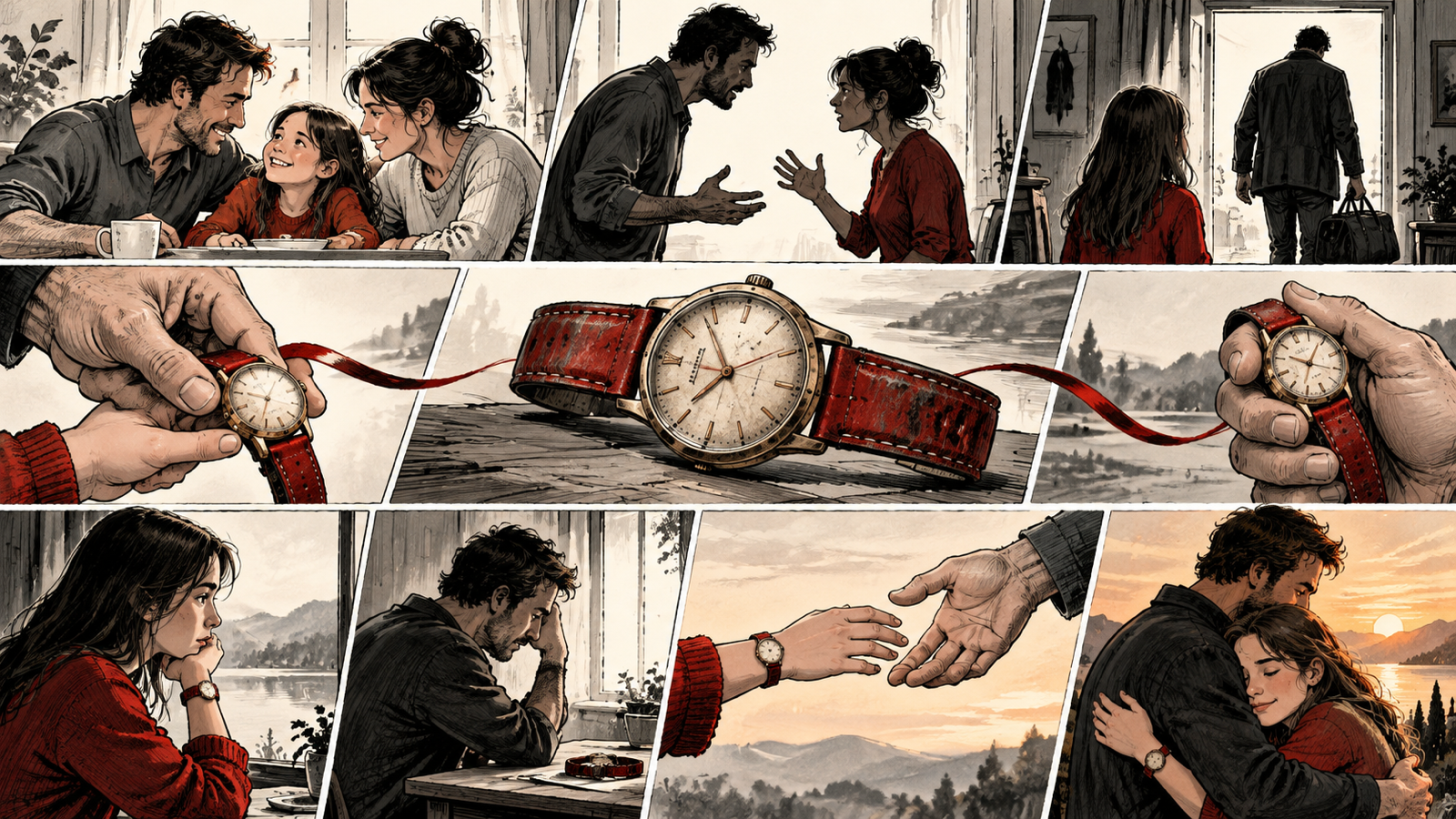
Examples:
- An old watch between father and son
- A saree between mother and daughter
- A cricket bat two brothers shared
- A lamp that only grandmother lights
Bring this object in:
- once in the beginning (neutral),
- once during conflict (pain),
- once in conclusion (healing).
How do you use ending types?
Choose how the emotion lands:
| Ending Type | Impact |
|---|---|
| Warm Reconciliation | Feel-good family bond |
| Bittersweet Acceptance | Realistic and deep |
| Open-Ended Silence | Mature audience appeal |
What does a family-drama logline look like?
“A son who wants to move to another city for his dreams must confront a father who spent his entire life building a home he hoped his son would stay in.”
Conflict is ready 🔥
Frequently asked questions
Does a family drama have to end in reconciliation?
No. Reconciliation, acceptance, unresolved distance, or a bittersweet compromise can all work. Choose an outcome that follows from the characters’ choices and the central emotional question.
How can an ordinary object carry emotion?
Establish its meaning early, show it during conflict, and return to it after something changes. The audience’s memory of earlier uses gives the final appearance emotional weight.
Summary
Give family members understandable but conflicting desires. Use a shared setting to intensify relationship pressure. Earn emotional resolution through changed understanding or behaviour.
Use My Logline to write your film.