How to Prepare a Film or Series Pitch for OTT Platforms
Prepare an OTT project with a clear premise, engaging characters, a deliberate format, and a professional presentation. Develop the complete film arc or the.
By My Logline Editorial
Prepare an OTT project with a clear premise, engaging characters, a deliberate format, and a professional presentation. Develop the complete film arc or the series engine and episode progression, then research the submission route for the intended buyer. A concise screenplay package and visual references help collaborators understand the project’s creative promise.
Key takeaways
- Define whether the project is a feature or a series.
- Build character development and curiosity across the chosen format.
- Check the recipient’s current submission requirements before pitching.
How should you check an OTT submission route?
Check the intended buyer’s current submission policy before sending material. Netflix says it does not review unsolicited submissions and describes pitching through an appropriate representative who already has a relationship with the company. Its official guidance also describes several ways it sources or buys projects.
Read Netflix’s official pitching guidance and verify other buyers separately. A producer or representative should fit the project and the recipient’s process.
What should you develop before pitching?

Understand What OTT Platforms Actually Want Many writers spend months polishing dialogue. Very few spend time understanding the buyer. That's a mistake. Because OTT platforms aren't just buying stories. They're buying projects that audiences will binge-watch. So before writing your screenplay, ask yourself: "Would this make someone click 'Next Episode'?" If the answer is no… the script probably needs more work. Let's see what OTT platforms are actually looking for.
How do you explain the premise in one sentence?
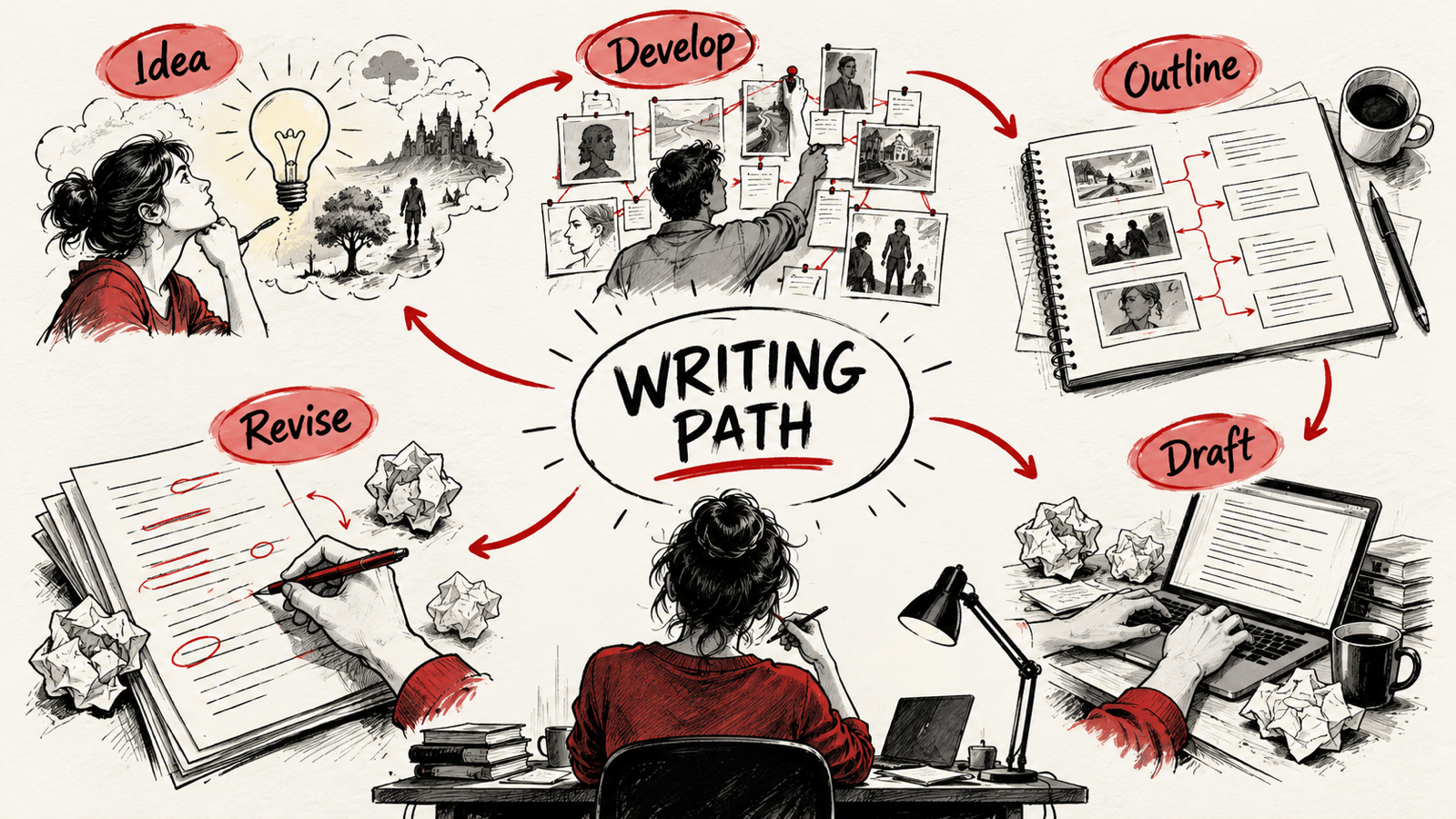
Before building a presentation around the concept, test its dramatic journey with How to Turn a Story Idea into a Complete Movie Outline. For a feature, map the full arc; for a series, consider both the larger season question and the changes within each episode.
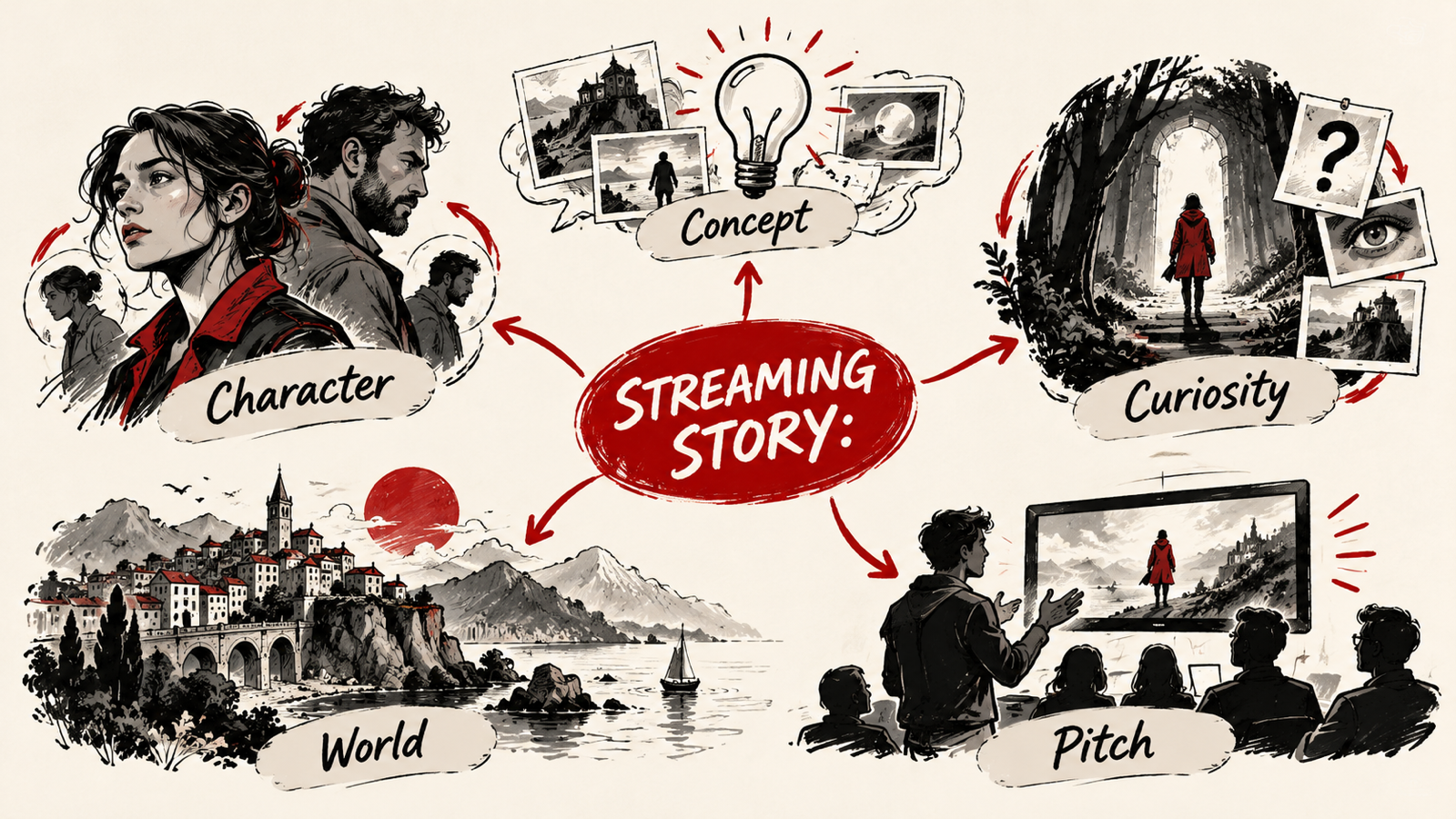
Everything begins with the concept. Your story should be explainable in one exciting sentence. This is called your logline. For example: "A suspended police officer gets one final chance to return to duty—but only if he destroys the mentor who raised him." Immediately you understand:
- the protagonist,
- the conflict,
- the stakes.
That's what OTT executives look for. A concept that instantly creates curiosity. If you need five minutes to explain your story… the concept probably isn't clear enough.
How do characters sustain a film or series?
A series can ask viewers to spend several episodes with its characters. Which means characters matter as much as the plot. Every major character should have:
- a clear goal,
- personal motivation,
- emotional conflict,
- room to grow.
Good OTT shows don't survive because of twists alone. They survive because audiences emotionally invest in the people. When viewers miss your characters after finishing the season… you've done your job well.
How do episode endings create continuing curiosity?
For practice at building a compact hook and payoff, study How to Write a Two-Minute Micro Drama: Hooks, Emotion and Payoff. Apply the underlying cause-and-effect principle to your longer episodes while allowing enough room for character development.
Think about your own watching habits. Why do you immediately watch Episode 2? Because Episode 1 ends with:
- a mystery,
- an emotional reveal,
- a shocking decision,
- an unexpected twist.
That curiosity keeps viewers binge-watching. One possible series-planning example is 6–8 episodes, each running roughly 40–50 minutes. Every episode should feel complete… while also making the audience want one more episode.
How do you connect the story to its audience?
OTT audiences love stories that feel close to their world. Some of the strongest-performing genres today include:
- crime thrillers,
- political dramas,
- investigative journalism,
- startup culture,
- small-town dreams,
- regional stories with authentic flavor.
Notice something? These stories feel contemporary. That doesn't mean you can't write fantasy or historical dramas. But whatever you write should emotionally connect with today's audience. People don't remember stories because they're complicated. They remember stories because they feel true.
What visual material helps explain the project?
Bring the story and its visual identity together using How to Pitch a Film to a Producer: 20 Preparation Tips. Prepare a concise explanation of the protagonist, conflict, audience, and project scope so your references support a clear pitch.

Cinema isn't just dialogue. It's mood. It's atmosphere. It's visual identity. OTT platforms want to know: "How will this world look on screen?" That's why many successful pitches include:
- mood boards,
- reference films,
- color palettes,
- visual inspiration,
- tone references.
This is often called a Look Book. It helps producers imagine the series before a single frame is shot. A good screenplay tells the story. A good pitch helps people see it.
What should you prepare next?
Many aspiring filmmakers spend years trying to find the right email address for Netflix. But that's the wrong question. The better question is: "Have I built a project that any production house would confidently take to Netflix?" Because that's how the industry actually works. Your goal isn't simply writing a script. Your goal is creating a project that's impossible to ignore. And that journey begins with:
- a powerful concept,
- unforgettable characters,
- binge-worthy storytelling,
- and a professional presentation.
In the next part, we'll look at something just as important— how to build an OTT pitch deck that makes producers take your project seriously.
Frequently asked questions
Does an OTT feature need episode cliffhangers?
No. A feature needs a complete feature-length dramatic journey. Episode endings and a continuing series engine matter when you are developing an episodic project.
What belongs in an OTT pitch package?
Requirements vary, but a useful starting package includes a logline, synopsis, format, characters, story or season direction, audience, and visual tone. Follow the recipient’s current requirements.
Summary
Define whether the project is a feature or a series. Build character development and curiosity across the chosen format. Check the recipient’s current submission requirements before pitching.
Use My Logline to write your film.