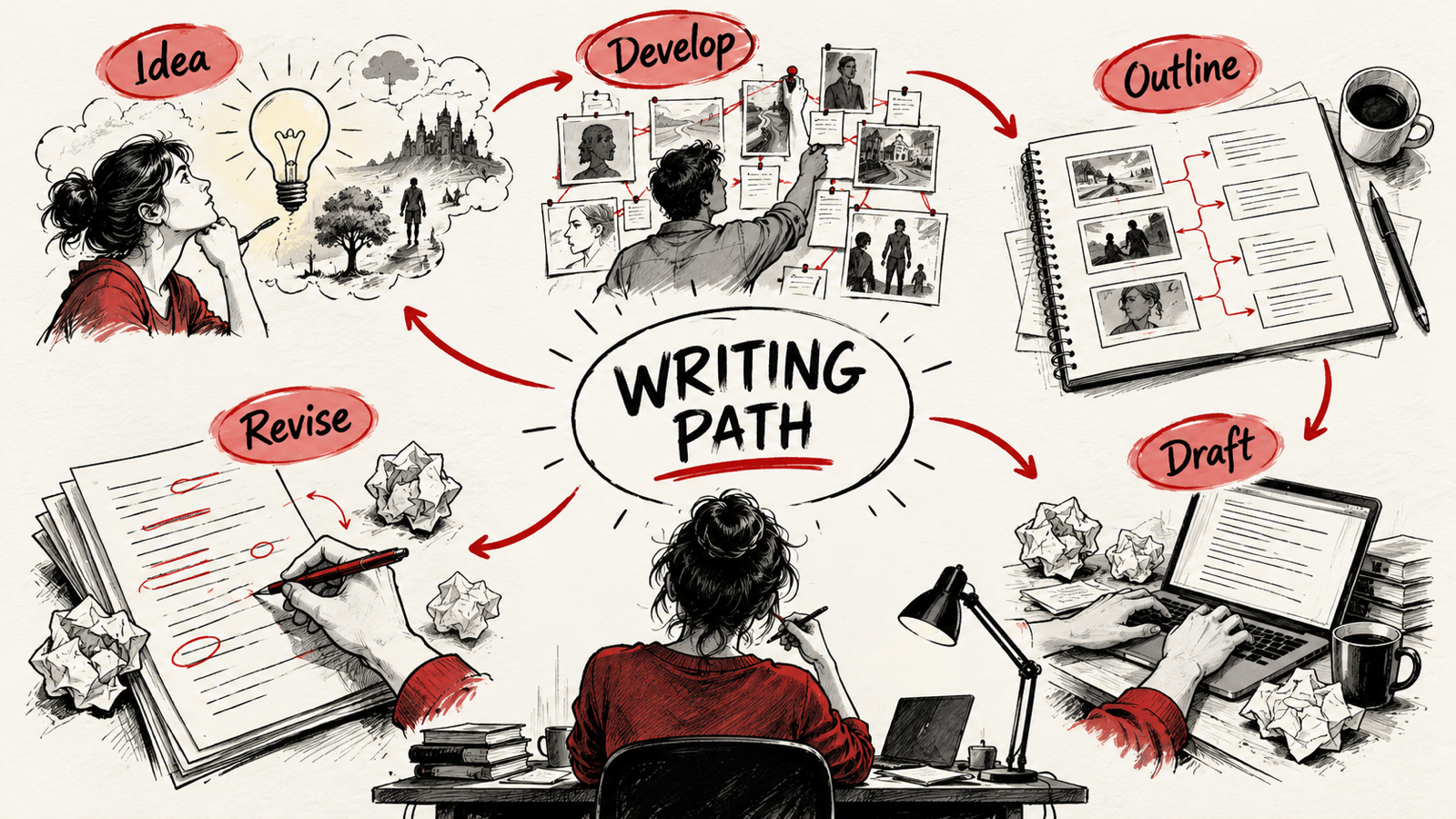
How to Pitch a Film to a Producer: 20 Preparation Tips
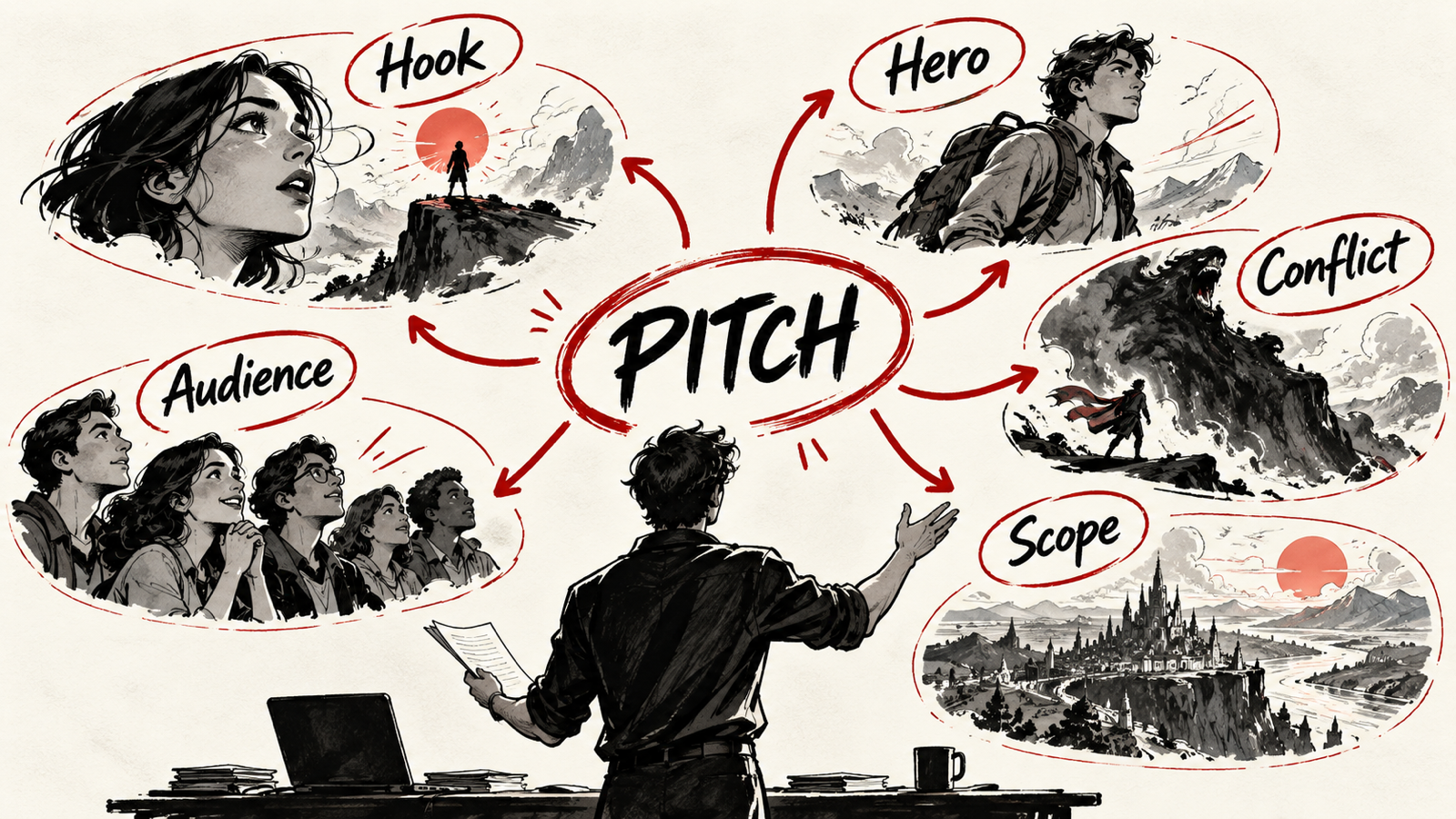
Prepare a film pitch around a clear hook, a compelling protagonist, the central conflict, and the audience experience. Know the project’s genre, scope, and.
By My Logline Editorial
Prepare a film pitch around a clear hook, a compelling protagonist, the central conflict, and the audience experience. Know the project’s genre, scope, and emotional appeal, and bring a concise written summary. These 20 tips help you explain your film clearly, answer questions honestly, and follow up professionally.
Key takeaways
- Lead with the core story and its emotional stakes.
- Prepare a concise summary and a realistic sense of scope.
- Use references to communicate tone and respond openly to questions.
What are the 20 film-pitch preparation tips?
- Start with a powerful one-line hook. Open with one exciting sentence that makes them curious immediately.
- Explain the story simply. If a 10th-standard student can understand it, your pitch is clear enough.
- Show what makes it different. Tell them why this story is fresh and not just another routine film.
- Know your genre clearly. Say if it is thriller, comedy, romance, horror, family drama, or action.

- Explain the target audience. Who will watch it? Youth, families, mass audience, OTT viewers, or all ages?
- Introduce a strong main character. People connect with characters more than plot points. If your pitch centres on relationships at home, use How to Write a Family Drama: Conflict, Subtext and Emotional Payoff to identify the emotional question, opposing wants, and family pressure behind your main character. Those details make the character easier to explain in a narration.
- Present the main conflict quickly. What problem, challenge, or danger drives the story?
- Share emotional value. Will people laugh, cry, feel inspired, or sit in suspense?
- Show market potential. Explain why audiences today may enjoy this concept. For a project aimed at streaming audiences, connect that audience promise to the development approach in How to Prepare a Film or Series Pitch for OTT Platforms. Be ready to explain the story’s format, emotional appeal, and potential to sustain viewer interest.
- Keep narration tight. Don’t explain every scene. Share only the most exciting core journey.
- Use references smartly. Mention similar successful films only to explain tone, not to copy.
- Bring a one-page pitch document. A neat summary makes you look prepared and professional. Before condensing your story into one page, work through How to Turn a Story Idea into a Complete Movie Outline. A clear opening, midpoint, and climax help you choose the few turning points a producer needs to hear.
- Know the rough budget. Be ready if they ask cost range.

- Show flexibility. Be open to feedback and changes if it improves the film.
- Speak with confidence. Believe in your story without sounding arrogant.
- Respect their time. Finish clearly and avoid unnecessary long talking.
- Answer questions honestly. If you don’t know something, be truthful instead of pretending.
- Show your commitment. Let them feel you are serious and ready to work hard.
- Leave them with curiosity. End in a way that makes them want the full script.
- Follow up professionally. Send thanks, requested documents, and stay respectful after the meeting.
Frequently asked questions
What should a one-page film pitch include?
Include the logline, protagonist, central conflict, major story direction, intended audience, genre, and distinctive appeal. Keep it readable and relevant to the recipient’s submission requirements.
Should I narrate every scene in a first pitch?
Usually a first conversation benefits from the core journey and major turns. Ask what level of detail the producer wants and prepare a fuller synopsis or screenplay when requested.
Summary
Lead with the core story and its emotional stakes. Prepare a concise summary and a realistic sense of scope. Use references to communicate tone and respond openly to questions.
Use My Logline to write your film.