How to Develop a Commercial Film with a Credible Production Plan
Develop a commercial film by defining its audience promise, building a strong dramatic journey, choosing an achievable production scale, and preparing a.
By My Logline Editorial
Develop a commercial film by defining its audience promise, building a strong dramatic journey, choosing an achievable production scale, and preparing a clear producer presentation. A revenue ambition does not guarantee audience demand or returns. Focus daily work on the screenplay, execution choices, and assumptions the team can explain and evaluate.
Key takeaways
- Connect audience appeal to a specific story experience.
- Choose production scale to support the important moments.
- Separate revenue ambitions from budget and execution assumptions.
How do you define the audience experience?
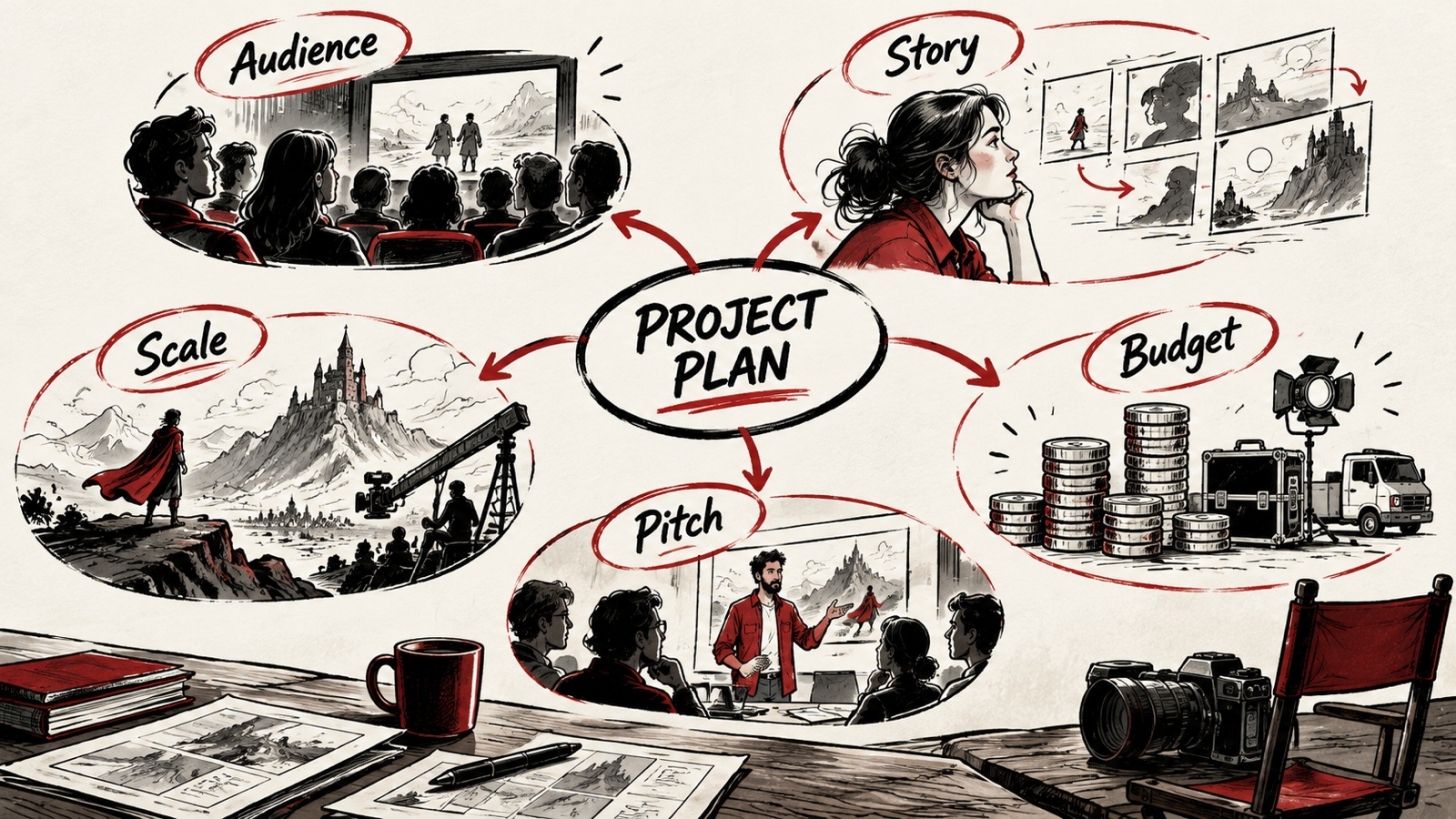
Describe the film in one clear sentence. Who is the protagonist, what do they want, what opposes them, and why should someone care? Then describe the emotional experience: laughter, tension, romance, excitement, recognition, or a combination. A large target becomes easier to work toward when the creative promise is specific.
How do you build a story that can carry that promise?

Give the protagonist a desire strong enough to drive action and a personal stake that makes failure costly. Develop obstacles that force increasingly difficult choices. Build memorable moments out of those choices so the spectacle or comedy belongs to the story. Use How to Turn a Story Idea into a Complete Movie Outline to test whether your beginning, midpoint, and climax form one connected journey.
How do you choose scale deliberately?
Decide which locations, cast requirements, action sequences, effects, and production details the story actually needs. Identify the moments where spending supports the audience experience. Explore simpler ways to stage scenes that serve the same purpose. A contained story can still have emotional scale; a large production still needs a clear dramatic centre.
How do you keep the financial language clear?
A box-office target and a production budget describe different things. Gross collections, distributor returns, and revenue from other rights should not be treated as interchangeable figures. Work with the producer and relevant professionals to build the project’s budget and revenue assumptions. Present estimates as estimates and document what they depend on.
What should you know about finish the screenplay before selling the dream?
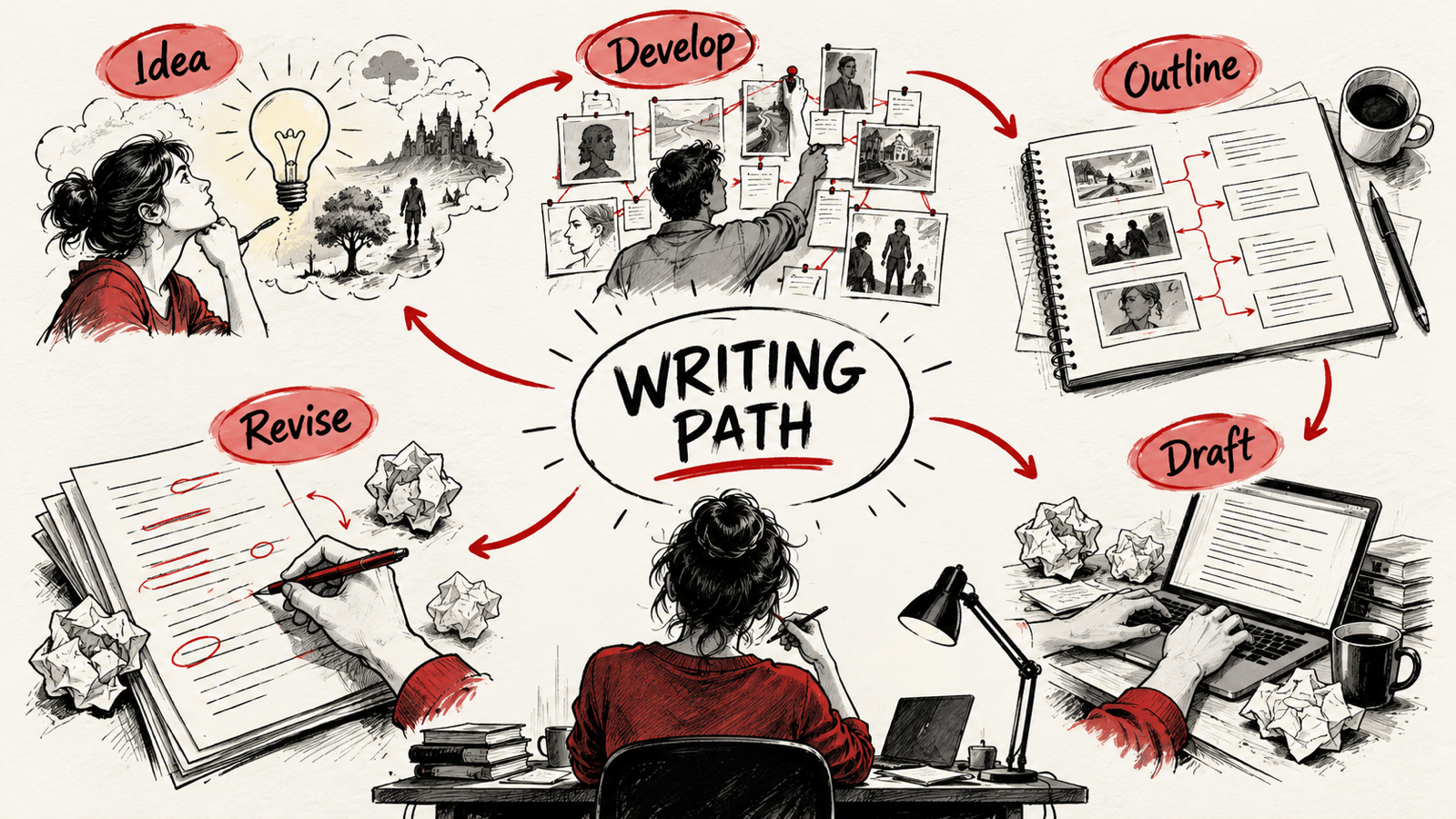
A striking premise needs scenes, pacing, character development, and a satisfying ending. Complete a draft, seek useful feedback, and revise the weak transitions or unearned payoffs. How to Write Your First Screenplay: A Nine-Step Development Process gives you a development path from the first idea to a screenplay you can share. Test the emotional logic on the page before relying on promotional language.
What should you know about prepare a clear producer presentation?
Explain the story, audience, genre, approximate scope, and why your team can execute it. Choose references that communicate tone and scale. Be ready to discuss risks, practical compromises, and the project’s current stage. How to Pitch a Film to a Producer: 20 Preparation Tips helps organise that conversation around the information a producer needs.

What should you know about align the film and its release plan?
Make sure the title, premise, visual identity, and promotional material communicate the same promise. Discuss the release approach with the producer and distribution team as the film develops. Your useful goal is to make a strong, clearly positioned film with a credible execution plan. The revenue target can motivate the team, while the daily work remains writing, preparation, production, and revision.
Frequently asked questions
Can a screenplay formula guarantee a ₹100 crore film?
No. A framework can improve planning, clarity, and dramatic execution, but audience response and commercial results depend on many factors beyond the screenplay.
What should I prepare before discussing a large film project?
Prepare a clear logline, synopsis or screenplay, intended audience, genre, approximate scope, and a realistic account of what is developed and what still needs work.
Summary
Connect audience appeal to a specific story experience. Choose production scale to support the important moments. Separate revenue ambitions from budget and execution assumptions.
Use My Logline to write your film.